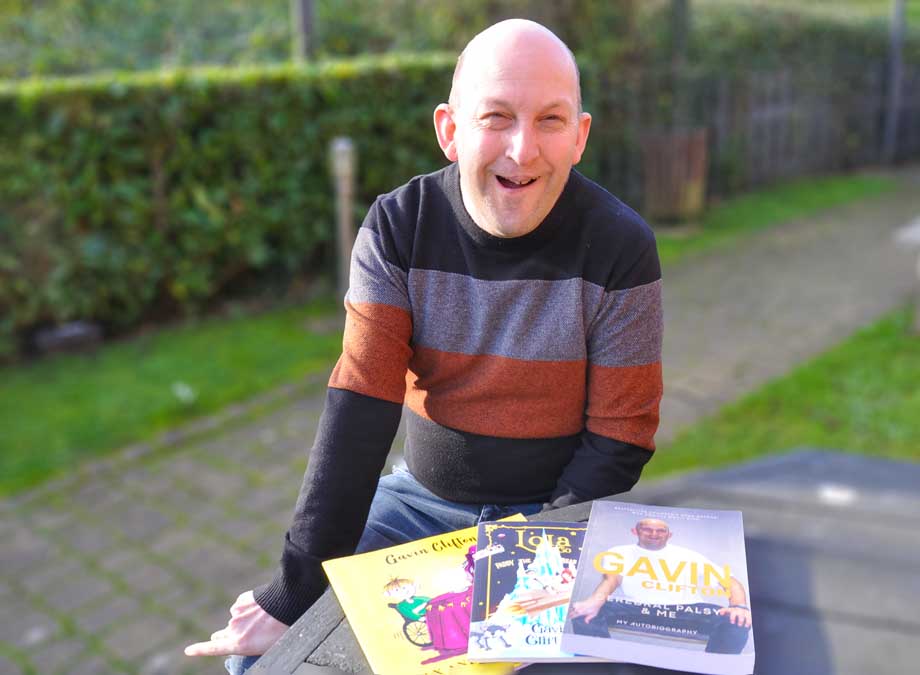
Gavin Clifton is a UK-based children’s author, inspirational speaker, disability advocate and lyricist. Known professionally as The Disabled Writer, Gavin was born with cerebral palsy and a severe speech impairment.
Lee Ridley is more widely known as The Lost Voice Guy after winning Britain's Got Talent in 2018. But after a recent gig, he couldn't get home from Cardiff.
He’d done two nights at the Glee Club. Sold out, most likely; he’s one of the best comics in the country. Then he tried to get an accessible taxi to the station and rang five companies. Not one could help. In the end, he took his chances at a rank, hoping a wheelchair-accessible vehicle would turn up before his train left. In the capital city of Wales on a Saturday night.
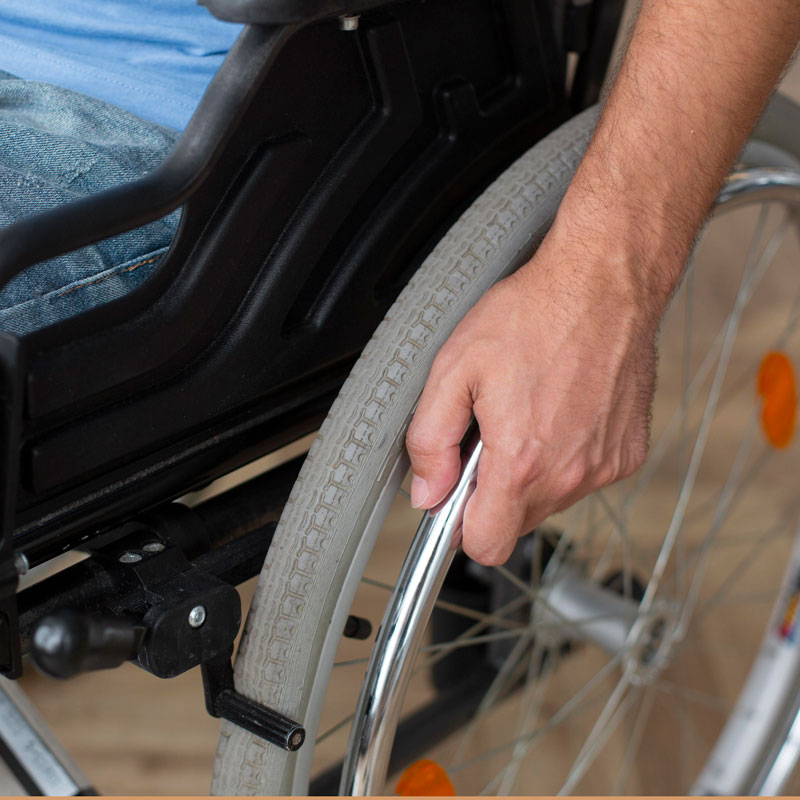
I read that and felt it in my bones. Not because it surprised me; it didn’t. I've also experienced the madness of trying to get a decent taxi home from Cardiff on a Saturday night, let alone an accessible one.
Lee has cerebral palsy. So do I. But here’s the thing that should stop people in their tracks. He is one of the most recognisable disabled people in Britain. A BGT winner, he writes for the BBC. If it can happen to him, standing outside a comedy club he’s just headlined, it can happen to anyone. That’s not a story about one bad night. That’s the system working exactly as it has been built.
It’s Never One Thing
People hear ‘couldn’t get a taxi’ and think bad luck; it’s the same for most people. But it’s never one thing. It’s the taxi, and then it’s the step into the venue, and the toilet that’s technically there but on the wrong side of a locked door or being used as a storeroom.
I worked at a newspaper for years. I eventually got a disabled parking space, and another employee kept using it, so I’d turn up for a full day’s work and end up parked somewhere I couldn’t manage, or in a no-parking zone right in front of the office. There were no ramps at the main entrance to the office. No automatic doors, and the only accessible toilet was out in the customer reception area. So, every time I needed it, I went back through a security door, down a step, and past a queue of clients. I was a member of staff, not a visitor passing through. I said nothing and got on with it, because that’s what you learn to do.
None of those things were designed to keep me out. That's the point. Nobody sat in a meeting and decided disabled people weren't welcome. There were no villains. It's worse than that, in a way. We simply weren't in the room when the decisions were made. Not excluded on purpose; we were just never thought of. The person drawing up the office plan imagined someone walking in, using the stairs, picking up the phone. They weren't cruel. They just didn't think of me, because they'd never had to. When you're never thought about, you end up bolted on afterwards, a toilet wedged in wherever there was space, a parking bay nobody polices. The exclusion was the default, and the default is what does the damage, precisely because nobody has to defend it. You can't argue with a decision that was never actually made.
Who Else Uses the Ramp
Here’s what the people who fund, design and implement these decisions never seem to grasp. Fix it for us, and you fix it for far more than us.
The accessible taxi that gets Lee to his train? It’s the same one that takes the bloke home from A&E with his leg in plaster. The parking space that actually works? Used by the new mum with a baby seat and three bags, and by the eighty-year-old who can’t walk far anymore. The ramp goes under the wheelchair, yes, and under the suitcase, the pushchair, the delivery trolley, the dodgy knee everyone gets eventually. Level access isn’t a favour to a minority. It’s a city that works for the day everybody, sooner or later, needs it to.
Everyone bangs on about disabled access like it’s a cost. It isn’t in the long run. It’s the version of the place that’s ready for people having normal days, prams, crutches, shopping, and getting older. We’re just the ones who need it first, and hardest, and every single day.
Luck Runs Out
So, I’m not asking Cardiff to be kind to disabled people. Kindness depends on who’s driving. I’m asking for a city where getting to the station doesn’t come down to whether a driver happens to feel generous that evening.
Lee said he’ll keep calling it out until it improves. So will I. Not because we enjoy the sound of our own complaining; trust me, we’d rather just get the train and get home safe and sound; but because ‘we’ll rely on luck’ is the actual, current transport plan for disabled people in the capital of Wales.
Lee deserved better than crossed fingers. So does everyone standing at that rank, long after the posts have stopped doing the rounds, watching taxi after taxi pull up that they can't get into.