Why is there a wheelchair on the cover?

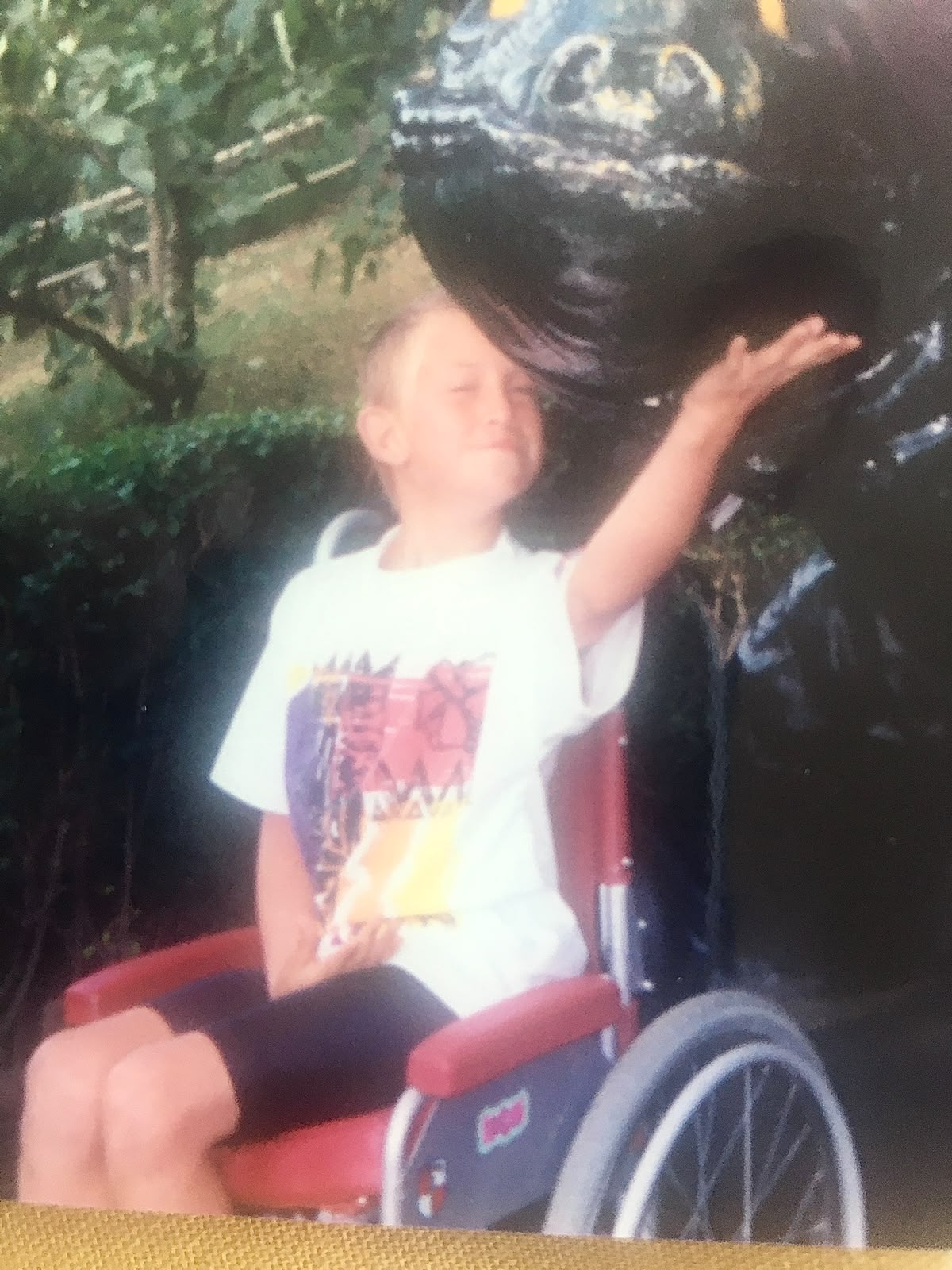
An image of Gavin Clifton as a child

Why is there a wheelchair on the cover

People ask me about this a lot. The cover of Max and the Magic Wish shows a child in a wheelchair, and most people who meet me haven't seen me use one for years. There's usually a pause before they ask. Sometimes they never quite get to the question, and I can see it stirring there behind their eyes.
Here's the thing. It's a true story.


Max and the Magic Wish is based on a family holiday. A touring caravan pitched at a holiday park in South Devon, and a fortune teller I met on the seafront at Dawlish Warren. As children, we did the caravan thing every year. Pool, fishing lake, beach days, and a whole lot more.


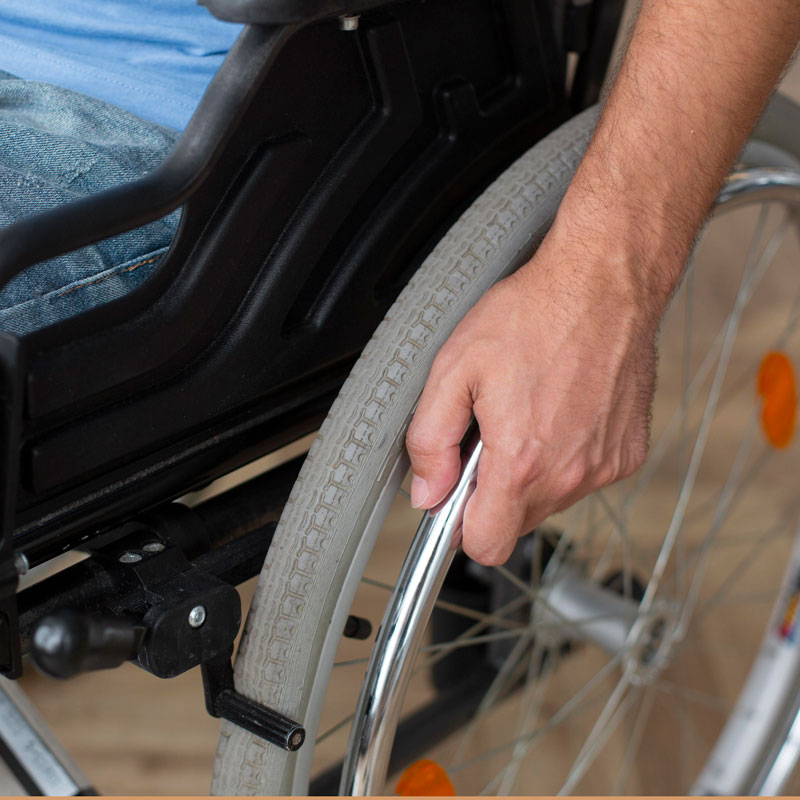
The wheelchair on the cover is from that particular chapter of my life. My hamstrings used to tighten up so fast when I walked that my parents put me in a wheelchair just so we could get around quicker and stay out longer. That was just how holidays worked for us. Nobody made a speech about it. We wanted to see more of Devon, so we used a wheelchair.


For years after that, you wouldn't see me in one. I exercised, and I still go to the gym and work out within my own limits. I got a physio when things played up, and I still do. I've recently had a chiropractic session.


Recently, I've started to notice my hamstrings begin to tighten up again more often, resulting in my body using up to three times more energy than non-disabled people more frequently these days. That's ok.


It's not a decline or a setback. It's a body doing what bodies do, and mine has always kept its own schedule.


What's changed isn't my legs. It's how long it takes me to admit when they've had enough, and I write about this in my autobiography, about my stubbornness, but most recently, I am starting to know my body’s limits a lot more often. I used to walk through the pain barrier. Push on to the car park, get to the end of the platform, and try to prove something to nobody in particular.
Now I think about the wheelchair on that cover differently. A younger me wasn't giving anything up in Devon. He was getting more day, enjoying more seafronts, more fishing lake, more fortune teller. The chair bought him time, and he spent it.
I don't know when I decided that was something to grow out of, and looking back, I now know that I should have let go of my stubborn streak a long time ago.


What people get wrong


The question underneath the question is usually this: If you CAN walk, why do you need a wheelchair?
Nobody says it like that. But it's what they mean. There's an assumption that a wheelchair is a permanent state, that you're either in one or you're not, and the picture on my book cover should match the man standing in front of them.
That's not how bodies work. Not mine, anyway. Cerebral palsy isn't a fixed disability. Some days I walk fine. Some days my hamstrings decide otherwise. The wheelchair was a tool that got us further down the seafront.


The bit people don't clock about Max


It looks like a fun adventure story, and it is. But the imagery on the front was inspired by a childhood photo of me in Devon, in a chair, having a very good week.
The fortune teller story arc is all true, too. She even handed me six lottery numbers on a scrap of paper. We lost it years ago.


This could have been a very different article if we hadn't.


I don't think of that cover as a statement about identity at any one time in my life. I think of it as a holiday photo that happened to end up on the cover of a book about disability and acceptance. But other people can't see it that way, and I've stopped trying to make them. A child in a wheelchair on a children's book cover is still a message, even when it's just a memory.

Disability Pride Isn't a Month. It's What Happens When You Stop Hiding.

I had no professional support since I left comprehensive school.

SUD

Where It Actually Started For Me


Let that sink in for a little while. Pride didn’t begin for me at some representative parade, but when someone finally told me I was allowed to ask what I needed.
When I worked at the newspaper, my colleagues were brilliant. I had more support from them than I ever got from any official system or scheme. But the building itself had a different story. I eventually got an accessible parking space, but other employees regularly used it, so I'd arrive for work and find myself parked in a non-accessible space. There were no ramps and no automatic doors. For some reason, there was no accessible toilet inside the office. The only one was in the customer reception area, which meant every time I needed the toilet, I had to go back through a security door, down a step, and through queues of clients. I was an employee who worked long hours there. Not an occasional visitor. I also couldn’t use the telephone at all, and I used to get blisters on my wrists from typing all day. That was people being decent, not a formal support package. Looking back, I should have pushed for one. I was reluctant to ask. My stubbornness got the better of me. I thought asking for adjustments would make me look like I couldn’t manage. So, I said nothing and got on with it. Then, some years later, I went self-employed, and there was nothing. No support worker, no signposting, no one sitting me down and asking what I needed. Just me, figuring it out on my own.
That's what you do when no one tells you there's another option.
After I was made redundant, I began writing Max and the Magic Wish. I’d spent most of my adult life refusing to accept my disabilities, I still do occasionally. But working on the book, seeing myself become a character, crying when I first saw the illustrations, that’s when something deeper started to ignite. I describe it in my autobiography as the start of an open-road journey toward accepting myself as a disabled adult and falling in love with who I am.
I’m still on that road. But I know where I’m going now.

Then I met Jamie McAnsh.


Jamie is a motivational speaker and adaptive athlete, the kind of person whose energy gets into the room before he does. He asked me a simple question: What support was I getting as a disabled self-employed person?
Back when he directly asked me this question on the spot. I couldn’t answer him because no one had told me what kind of support existed. I literally assumed that I wasn’t entitled to support when I transitioned to a self-publishing, self-employed author and writer, and inspirational speaker using AI-Voice.
He asked if I'd heard of the Access to Work scheme. I hadn't. Not properly anyway. When he explained it, I felt two things at once: relieved and angry. Because this scheme had been sitting there, open to people like me, and in all those years, nobody had ever mentioned it. Not once.
I'd spent years blaming myself for not being independent enough. For needing too much. For not managing things better. The truth was that I was never the problem. I wasn’t provided the appropriate support.
That's when the realisation finally sank in. During a conversation where someone finally said. This exists, and you’re allowed to ask for it.
That was only part of the journey. Learning to ask for help and learning to accept yourself aren’t the same thing. I’d spent most of my adult life refusing to accept my disabilities, and there are still days when I still do. Even after things started improving, even after I’d got support in place. The real progression came later.
Working on Max and the Magic Wish, seeing myself become a character, crying when I first saw the illustrations. I describe it in my autobiography as the start of an open road journey to accepting myself as a disabled adult and falling in love with who I am.
I’m still on that road. But I know where I’m going now.

What People Get Wrong About Disability Pride Month


The Disability Pride Flag was designed by Ann Magill. A writer with cerebral palsy.
Her original design featured bright zigzagging stripes on a black background, the zigzag representing the barriers disabled people face. But the design itself caused visual disturbance for some people in the community she was designing it for.
So, the community flagged it. She listened, went back to it, straightened the stripes, and muted the colours. Then she waived her copyright so anyone could use it.
A disabled creative makes something, gets some of it wrong, the community helps fix it, and the result belongs to everyone.

Here’s what each part of the current flag represents:
Charcoal grey background: Mourning and rage for disabled people lost to ableist violence, abuse, and neglect
Red: Physical disabilities, including mobility impairments, limb differences, and chronic pain
Pale gold: Cognitive and intellectual disabilities
Pale grey: Invisible and undiagnosed disabilities
Light blue: Psychiatric disabilities, including anxiety and depression
Green: Sensory disabilities, including blindness and deafness
The diagonal stripes aren't just a design choice. They represent cutting across the barriers that keep disabled people apart from the rest of society. Not going around them, but through them.

Why Books Like Mine Matter


I’ve had parents tell me they’ve been searching for a children’s book like Max and the Magic Wish. A book where a disabled child is just the main character. Not a lesson or a source of inspiration for everyone else. Just a child who happens to have a disability, getting on with life.
Max doesn’t wish his disability away. Disability is part of who he is, and that’s fine. That’s the whole point.
A disabled child who sees themselves in a story gets something really important from that. They see that it’s okay to be different, and when a non-disabled child who reads about a disabled character just getting on with their lives learns something that stays with them for a long time. That’s how we educate others and make a difference along the way.
Cerebral Palsy and Me is for adults. The parents who want to understand what their child might be going through. The people who’ve lived with a disability their whole lives and just want to see their experience written down honestly. It’s unfiltered and open, and it doesn’t pretend everything is straightforward. Because it isn’t always. But it is always worth it. Like i say in Cerebral Palsy and Me: Life is a rollercoaster journey.
Together, the two books cover both ends of the same journey. One for the child just starting out. One for the adult who is still navigating life. If this month is about the world working better with us in it, that starts with us being seen. In boardrooms, yes. In schools, yes. But first, in books.

Come and Find Me in Cardiff This July


On Monday, 20th July, I’m doing a book reading and signing at Cardiff Central Library, in association with Scope. Free entry, 12 noon to 4 pm.
I'll be reading excerpts from both Max and the Magic Wish and Cerebral Palsy and Me. Both books will be available to buy and get signed on the day. Cardiff Libraries will also be stocking both titles from that date onwards, so if you can't make it, they'll be there.
This one is for:

• Families with children who don't often see themselves in books
• Teachers and librarians looking for titles that actually do the work
• Anyone in the disability community who fancies an afternoon out
• People who've never picked up a book about disability and are curious

One Last Thing…


Disability Pride Month works best when it produces something authentic. A conversation, a book on a shelf, a child who reads something and thinks, that's me.
I had no professional support from the time I left primary school. For a long time, I thought that was just how it was.
It wasn't, and if nobody's told you that yet, this is me telling you. You’re never alone.

Space Exploration Doesn’t Start with Rockets. It Starts with Stories

The Moon is Trending

In April 2026, the Artemis II crew flew around the far side of the moon. They were the first humans to do it in over fifty years. The images were everywhere, with the Earth rising behind the lunar surface. A solar eclipse seen from a place no living person has witnessed, the whole world watched in awe, and to be honest, I became quite emotional.

When NASA asked the crew to describe the experience in a single word, mission specialist Christina Koch said ‘humility’. Not triumph or pride, but humility. I have been thinking about the meaning of that word.

A Rubbish Dump on Earth

I wrote a space-adventure children’s book back in 2020, and the character isn’t an astronaut. He’s a polar bear teddy stripped of his powers, dumped in a rubbish bin, and rescued by a nine-year-old girl called Oakleigh. She builds a rocket out of a cardboard box and kitchen roll holders and names it Hark-9.

People sometimes describe Paddy the Polar Bear Teddy as a cute space adventure story; it is, but it’s also about what happens when you land somewhere unfamiliar, when your normal has been taken away, and when the world you are navigating was unintentionally built without you in mind. I don’t have to create or imagine that; it’s the world I live in.

Tuesday Morning

There’s a moment in the book where Paddy lands in a rubbish bin on Earth and tries to use his magic to get home, and nothing happens. His powers are gone, he’s alone in a place he doesn’t understand, surrounded by creatures he’s never seen, and nobody can hear him. That’s not just fiction; it’s a Tuesday morning for many disabled people. You arrive somewhere, the thing you usually rely on isn’t working, and you have to figure it out in real time.

The Overview Effect and Taking a Step Back

What I find interesting about the Artemis mission is that the astronauts kept talking about perspective. Victor Glover, the first black astronaut to travel beyond the Earth’s orbit, looked back at the Earth and said that from up there, we all look like one thing. No matter where you’re from or what you look like. That’s the Overview Effect, the cognitive change that happens when you see your planet from far enough away that all the categories we cling to just fall away.

Stories do the same thing, no, not by sending you two hundred and fifty thousand miles into space, but by putting you inside someone else’s experience and letting you see it from there. When a child reads about Paddy losing everything and still finding a way forward, they are not learning about polar bears. They are learning that courage doesn’t require certainty, and that kindness, the kind where you pull a stinky teddy out of a rubbish dump because you see something worth caring about, is not soft, but the thing that starts the whole adventure.

The Villain Who Was Hiding

Then there’s Queen Zeena, the villain of the book; she’s a walrus who creates devastating storms across her entire planet because she’s terrified of being seen as she is. She thinks being different makes her unlovable, so she hides behind destruction. She’d rather ruin everything than risk someone looking at her and confirming her worst fear.

That fear factor, the shame, children understand it, even if they can’t pinpoint why yet. They know what it feels like to think something about yourself is wrong. Zeena isn’t defeated by force, but by someone who tells her the truth, that everyone is beautiful, and that what matters is who you are from within, and it’s okay to be different, accept yourself, and others. Paddy says it plainly because he believes it, and he’s lived it.

The Real Launchpad

Every astronaut was once a child imagining space. They started with stories, curiosity, and a sense of wonder about what’s out there. The Artemis II crew didn’t wake up one morning, knowing how to fly around the Moon. They followed their dreams, slowly building up experience, fuelled by imagination and the accumulated belief that anything was possible.

That’s what children’s books do when they do what job they’re supposed to do. They don’t just entertain; they teach, rehearse, give children a version of courage before they find it, and show them that difference isn’t always an obstacle, but sometimes it’s the qualification. That the people best equipped to explore the unknown are often the ones who’ve already had to.

Oakleigh doesn’t hesitate when Paddy asks her to fly to another planet, doesn’t have the right tools or experience, but still, she has cardboard, fairy dust, and the willingness to accompany him on an adventure. That’s not a fantasy; it’s how the most interesting things in life sometimes start.

The Artemis crew came home; the footage was extraordinary. But somewhere tonight, a child is lying in bed with a book open, imagining something impossible.

That’s where the next mission begins.

Cerebral palsy is lifelong: What I wish people understood beyond the stereotypes

Cerebral Palsy Awareness Month always makes me reflect on how far I have come in life. It really does, not because I suddenly remember that I have disabilities, but because it’s one of the few occasions where people actively look in our direction. You can almost taste and feel the difference between ‘being seen’ and ‘being understood’. They are not the same thing, and if we’re honest, most of the disconnect lies in between them.

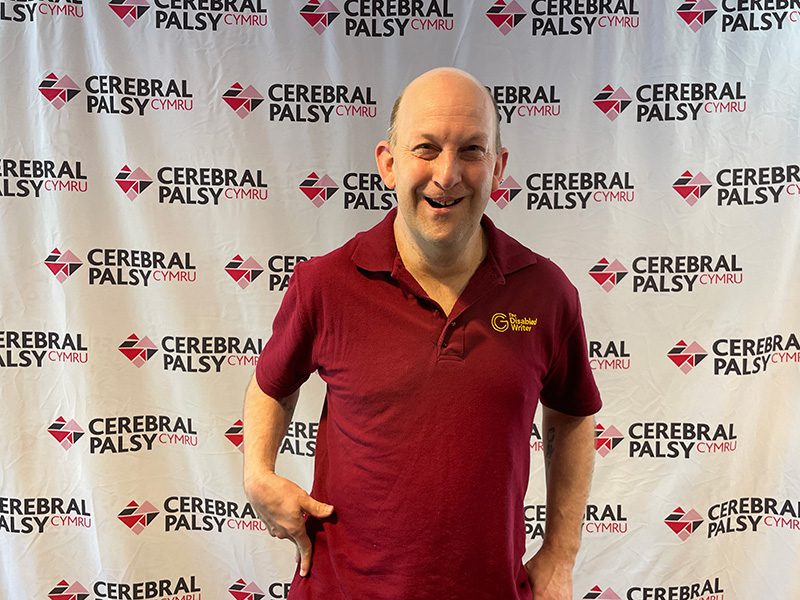
Gavin Clifton, Author, standing next to a banner for Cerebral Palsey Cymru

I’m writing this as someone living with cerebral palsy and a severe speech impairment, also as an ambassador for Cerebral Palsy Cymru, a role that genuinely means a lot to me, standing shoulder to shoulder with other people and families living with, managing, supporting, and advocating for the condition.

What cerebral palsy is, and why the ‘one story’ version fails

Cerebral palsy is a lifelong condition that affects movement, balance, coordination, and posture. It’s neurological and physical, and it doesn’t affect one person in the same way, which is exactly why the public’s understanding of it is often a little confused.

The variability is far-reaching, and this is the most important statistic I want to highlight throughout Cerebral Palsy Awareness Month 2026. If you have met one person with cerebral palsy, the next person might have completely different needs, a different level of mobility, a different experience of pain, fatigue, balance, coordination, speech, fine motor control, or all these.

The myths that still shape how we’re treated

One of the myths I still hear, and it honestly still surprises me, is the assumption that cerebral palsy is mainly a childhood thing. It isn’t, it’s lifelong. The assumption that happens is not that the condition disappears; it’s that support often becomes harder to access as you grow up.

Another idea is that CP automatically means a learning disability. Some people with cerebral palsy do have learning disabilities, for which I have complete admiration; others do not, but what keeps happening is that people treat appearance or speech as evidence of academic ability, or even inability. I’ve said it plainly in my autobiography because it frustrates me that much. I often get asked if I went to school, and the answer is yes; my disabilities are physical and not academic.

That assumption is not harmless; it alters expectations and opportunities, and in some cases, it changes the whole direction of a child’s education.

For me, support made the difference. I received one-to-one assistance from nursery onwards, which meant I could access school in the way I needed to. This changed my life forever, and for the better.

Lived reality, the bits people don’t see, and the bits you don’t forget

A lot of the public’s understanding of cerebral palsy is based on what people can see. The problem is that some of the most significant parts are not obvious to a stranger.

Fatigue is a big one. So are stamina, pain, tightness, and variability, too. Some days your body cooperates more than others, and the world tends to read that as inconsistent rather than reality.

Then there’s the social side, the childhood side, the stuff that stays with you.

One detail from my own life that always comes back to me is the safety helmet I wore in the school playground when I was learning to walk and still mastering balance. I remember feeling anxious about it because it made me look even more different, but it was a small price to pay if it meant avoiding head injuries. I even joked that I looked like I was about to do twelve rounds with Mike Tyson.

That’s what I mean when I say the lived version of cerebral palsy is not just medical. It’s social. It’s about being a child who wants to join in, while also having to think about safety and access in a way other children never do.

I’ve also been lucky in the way my friendships formed, because in my world growing up, I was just Gavin. My friends remember me wearing different shoes and that special helmet, and they remember that conversations took longer, but we still played the same games, and they adjusted so I could join in.

That is inclusion in its simplest form, people deciding you belong, and then acting like it.

What actually helps, and what I wish people would stop getting wrong

Here’s the good news, a lot of what helps is practical, and it’s not complicated.

In schools, it starts with expectations. If you assume a disabled child is less capable before you’ve even learned who they are, you build a ceiling over their head. If you assume competence and put support in place, you give them a chance to realise their own potential. I believe every child deserves the right to an education, and I’m very aware that the support I had shaped my outcomes.

In public life and services, good practice looks like speaking directly to the disabled person, not treating them like a side character in their own environment. I’ve written in my autobiography, Cerebral Palsy and Me, about how infantilising it feels when people talk in the third person around you, and how much better it is when someone asks you directly first.

In workplaces and retail, it’s the same principle. Ask what helps, build flexibility into systems, not just into individual kindness. Remove friction where you can; most barriers are not created by ‘the condition’, they’re created by underthought systems and rigid assumptions.

To make this real, not abstract, I never thought I’d need a scooter. Now I wouldn’t be without it. It’s my freedom to live, not just exist.

Why Cerebral Palsy Cymru matters, and what I want this month to lead to

I’m an ambassador for Cerebral Palsy Cymru because I care about support grounded in lived experience. In my book, I describe becoming an ambassador as the start of something meaningful, a role that means everything.

Organisations like Cerebral Palsy Cymru matter because they support people and families, and push for better understanding and practice, which is where the long-term change stems from. Not one month of awareness, but steady improvement in how systems respond, how communities include, and how people with CP are treated across a lifetime.

Here’s what I’d love people to take away from this month.

Cerebral palsy is lifelong, and it is varied. Support, access, and inclusion need to be lifelong and individual too.

If you do one thing differently after reading this, pause before you assume, ask what helps, then follow through.

That’s how awareness turns into change and makes a lasting difference: it’s okay to be different and to accept yourself and others.

Using My Voice in a Different Way

Using My Voice in a Different Way


How Assistive Technology Is Opening Doors for People Like Me
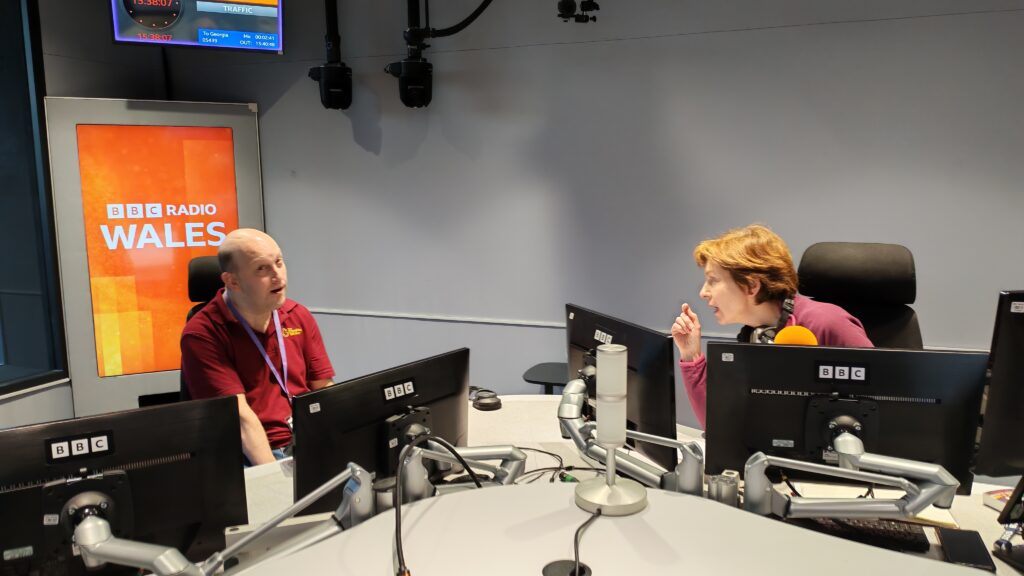
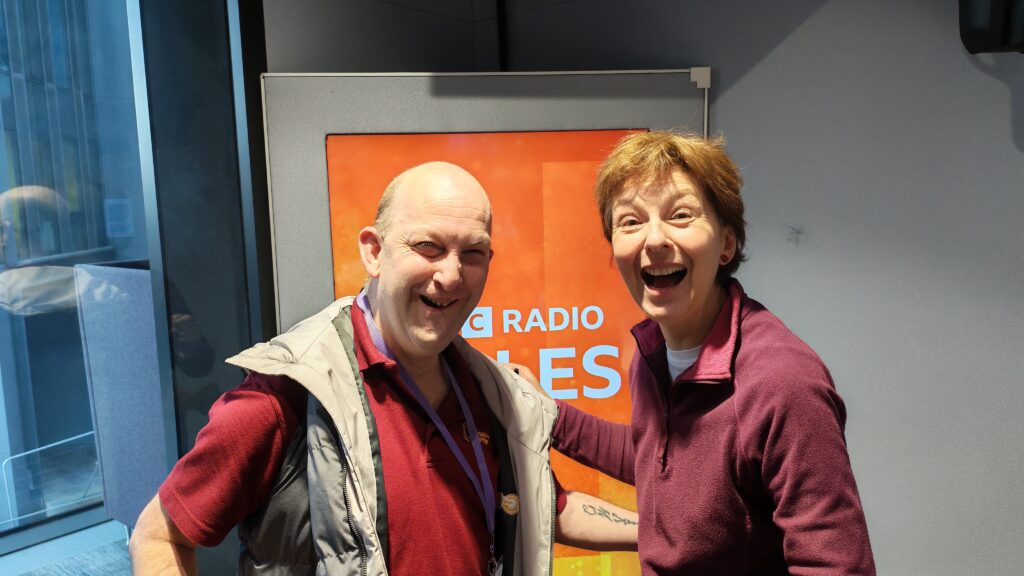
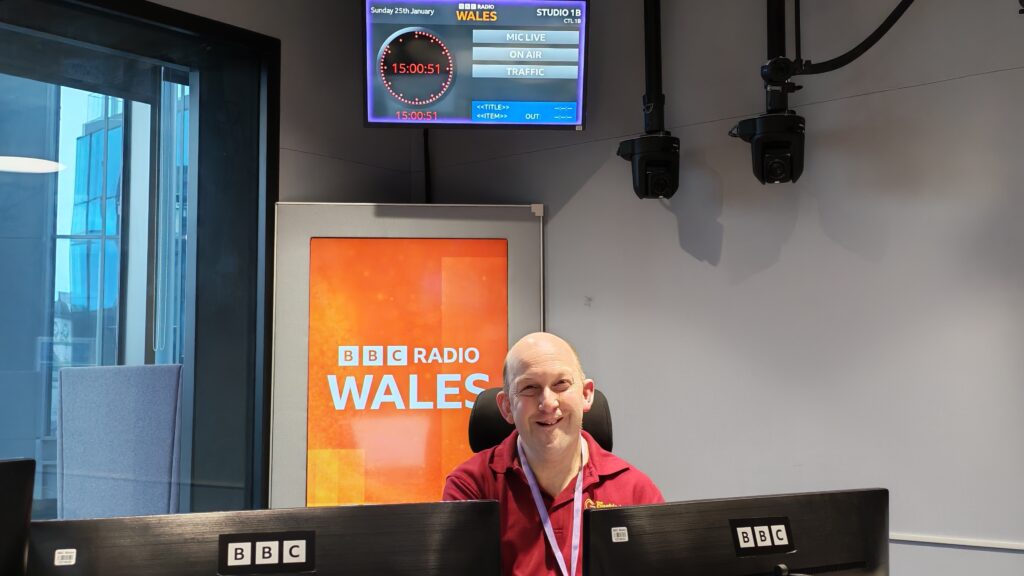
I am over the moon to have been invited to BBC Radio Wales with the brilliant Lynn Bowles. That alone was a huge and positive milestone. But what made it even more powerful was how I did it, using my SmartBox TalkPad 8 with a custom-built Grid3 question-and-answer GridSet.
It was the first time I’d ever used this kind of Augmented and Alternative Communication setup in a live setting, even though, live on air, and honestly, it couldn’t have gone better. Smooth, clear, and in real time. I was in complete control. That in itself is a big deal.

Gavin Clifton appearing on BBC Radio Wales


Why This Moment Mattered


For the first time, I was able to fully take part in a live radio interview without relying on anyone else to speak for me. My device spoke my words exactly how I wanted them said. No delays, no one jumping in, no awkward handovers.
Everything I said came directly from me, through my device, and the result was an organic conversation. That might sound like a small thing, but for someone like me with a speech impairment, it’s massive. A few years ago, I wouldn’t have believed this was even possible.


From Frustration to Freedom


When I first started using Augmentative and alternative communication as a child, the technology was slow and bulky. My first device, a Lightwriter, felt like lugging around a brick. It took ages to form a sentence, and by the time I finished, the conversation had already moved on. I often gave up and let others speak for me. That wasn’t freedom or inclusion. It was survival at best.
Fast forward to today, and the technology has changed dramatically. My current TalkPad 8 is somewhat more efficient. It lets me communicate in real time, in interviews, schools, online and in everyday life. It gives me control and independence.


What We Spoke About on Air


Lynn and I talked about quite a lot. How I use AAC day to day, how cerebral palsy shaped my early years, the impact of family support, why inclusion and accessibility are more than buzzwords, and, of course, my latest children’s book, Anya and the Enchanted Wheelchair.
These are things I often speak about, but this time felt different. Doing it live on the radio, independently, using my own voice through assistive technology, made it feel more real. It felt like I was truly being heard, not just by Lynn, but by every person listening through the air waves. BBC Radio Wales still has a significant following from all over the world and connects many communities daily, simply by broadcasting, into homes and workplaces alike.


AAC Is Not a Luxury


Let’s be clear; AAC isn’t a fancy extra. It’s not a backup plan or a bonus feature. It’s a lifeline. It’s the difference between being involved and being left out. It’s the reason I can be an author, a public speaker, and take part in media like this.
Too often, AAC is seen as something to be ‘granted’ or ‘approved’ as if it’s optional, but it’s absolutely not. If someone needs support to communicate, they should have access to the best tools available, no matter their age or background.
Representation and Real Voices
Representation matters. When children or adults with speech impairments or who are nonverbal see someone like me using AAC in public spaces, in the media, or in schools, it tells them something important. That they can be heard too, and that communication doesn’t have to sound a certain way to be meaningful.
The way we speak doesn’t define the value of what we say. People like me have important things to say, and we deserve the chance to say them in our own way, using whatever support works best for us.

Looking Ahead


What happened on BBC Radio Wales wasn’t just a great experience; it was a glimpse into the future, and into what’s possible when technology is used correctly to support disabled people. The technology is there, it’s improving fast, and the opportunities are growing.
With the right support, the right funding, and a change in mindset, AAC can change lives. I know that because it’s changed mine forever.
There’s still work to do. But I’ll keep doing what I can, sharing my story, using my voice, and making sure people like me are seen, heard and valued.
If this blog has resonated with you, or if you know someone who uses AAC or works in education, disability support, the public sector, media, or even in speech and language therapy, please share this blog. Let’s keep these conversations going.

From Fighting It to Finding My Voice with AAC

October was AAC Awareness Month. Augmented and Alternative Communication (AAC) refers to any tool or method that supports or replaces spoken language for people who have difficulties with speech. This can range from simple approaches like gestures, signs, and picture boards to more advanced technology like speech-generating devices, eyegaze systems, and text-to-speech software. It allows people to communicate in a way that works for them, on their own terms. I’ve always had mixed feelings about using AAC. It’s never been smooth or simple. At times, I hated it. It was bulky, slow, and frustrating. I spent years trying to avoid it, relying on people around me to speak for me. But deep down, I knew that wasn’t real independence.

Gavin Clifton Author

This month changed things. Speaking at Cardiff Met – The Power of Lived Experience

I was invited to give a talk at Cardiff Metropolitan University by Katherine Broomfield, a Senior Research Fellow and Speech and Language Therapist, and Ria Bayliss, Programme Director, Bsc (Hons) in Speech and Language Therapy, as part of their Interprofessional Education Training and AAC Group. I spoke about my life with cerebral palsy, my experiences with communication, and how AAC has shaped my journey, the good and the bad. The students were brilliant. Open-minded, respectful, and genuinely interested. Their feedback? It’s been some of the best I’ve had. They didn’t just listen, they embraced it with enthusiasm. They understood what it means to communicate differently, and how much that matters in practice. That sort of response makes a difference.

Smartbox – Giving AAC a Real Purpose

Later in the month, I visited the Smartbox Assistive Technology team in Bristol, one of the leading companies in the AAC field. They’re the people behind Grid 3, the software I use. Grid 3 is a communication tool that supports people who can’t rely on speech. It’s fully customisable and works with different access methods, eyegaze, switches, or touch. It helps people express themselves clearly, whether that’s through pre-set phrases, full conversations, social media, emails, or presentations. During the visit, we looked at how I use Grid 3 now and how to tweak it so it actually works for me, not against me. I was treated like a professional wanting to improve how I communicate. It was so refreshing to visit such a forward-thinking company that gets how it feels to want to be able to communicate more effectively in today’s ever-growing and fast-paced society. That felt powerful. Properly empowering, in fact.

A Shift in Thinking

I’ve come a long way since the early days of bulky Lightwriters and feeling like an afterthought in conversations. These days, my device gives me control. I choose when and how I speak. I can hold the room. That matters, especially when you’ve spent most of your life being spoken over, ignored, or having people make assumptions before they even get to know you. Let’s be clear, AAC doesn’t make life easy. But it makes life possible. It’s not a luxury. It’s not an extra. It’s how I get my voice out, in my way, on my terms.

Where I Stand Now

I’m beginning to develop a genuine appreciation for AAC, as I continue to see how effectively it supports me in expressing myself clearly and independently. If you use AAC, or support someone who does, know this: it’s okay to feel frustrated by it sometimes. It’s okay to want to throw it all out the window. But it’s also okay to come back to it, to find your way with it, and to say, “This is how I speak.”

This AAC Awareness Month reminded me that communicating differently doesn’t lessen my voice; it strengthens it. However, when I speak, it’s still me being heard. That’s what truly matters.

Here are links for Cardiff Metropolitan University Centre for Speech, Hearing and Communication Research and SmartBox Assistive Technology if you wish to explore AAC further:-

https://www.cardiffmet.ac.uk/research/research-and-innovation-centres-andgroups/centre-for-speech-hearing-and-communication-research/

https://thinksmartbox.com/

AAC Awareness Month: Different Voice, Same Message


Living with cerebral palsy and a speech impairment, I’ve learned that being heard isn’t always as simple as having something to say. It’s about understanding, empathy, education, and becoming less assumptive. You can have a voice, but if people aren’t listening, or they’re looking for someone else to speak for you, it doesn’t mean much.

Reducedimg 20250919 122530


That’s where AAC, or Augmentative and Alternative Communication, and now AI-Voice, comes in. For me and many others, AAC isn’t a nice extra. It’s how we communicate, how we connect. How we’re understood, and sometimes how we make friends and combat loneliness.

What AAC Looks Like for Me

I started with an old Lightwriter device years ago. It was bulky and slow, and most conversations had already moved on before I’d finished typing. I used it less and less, not because I didn’t want to communicate, but because it made me feel like I was always trying to catch up.
Things are different now. Technology has moved on, and so have I. I use modern AAC and AI-Voice tools daily, including text-to-speech software, which helps me give talks in schools and to organisations, and interact with people confidently. Whether I’m answering a pre-recorded question at an inspirational talk or simply ordering some lunch, it gives me the chance to speak on my own terms.


It’s About Communication, Not Gadgets

AAC isn’t one-size-fits-all. It could be a phone app, a tablet, a symbol board, or something high-tech, like AI-Voice. Whatever it looks like, it’s about communication, pure and simple. The way someone expresses themselves might be different, but the message is the same: we all want to be heard, understood, included, and respected.
It’s not about making assumptions. It’s about slowing down and giving someone time to speak in a way that works for them.


School Visits and Breaking the Ice


When I visit schools, the children are often curious about how I speak. I use AAC and AI-Voice to share my story, and once they see how it works, the questions start, and that’s brilliant. Children are open, honest, and keen to understand. That’s the beauty of it.
In schools, I don’t just talk about disability. I talk about acceptance, kindness, and how everyone communicates differently. I show them that AAC or AI-Voice isn’t something to feel awkward about; it’s just another way of speaking. By the end of the session, the focus moves away from the technology and onto the stories, the learning, and the genuine connection.


Inspirational Speaking: Changing Perceptions Beyond the Classroom


Outside of schools, I also speak at events, conferences, and organisations, anywhere where people need to understand disability, accessibility, identity, and what genuine inclusion looks like. It’s all about the power of storytelling and opening minds through my lived experiences.
When I speak to professionals, carers, parents, or decision-makers, I use the same AAC and AI-Voice technology, but the message is tailored. It’s about raising expectations, not just of disabled people, but of the systems around us. It’s about making people reflect on how they communicate, who they include, and who gets left out of the conversation.
I speak honestly about what it’s like to live with cerebral palsy and speech impairment, not to be inspirational for the sake of it, but to show what’s possible when support, collaboration, understanding, and opportunity come together.
Whether I’m speaking to five-year-olds or frontline staff, I’m there to challenge assumptions, get people thinking, and prove, through action, that disabled voices belong at every table.

Getting AAC Support


Getting access to AAC and AI-Voice in the UK isn’t always straightforward. Services are stretched, and sometimes it takes a bit of patience to get the right support in place. But when it’s there, it makes a huge difference. It can be life-changing.

AAC or AI-Voice doesn’t replace speech, even if someone is nonverbal; it opens up communication in whatever way works best. It’s not about replacing anything. It’s about including people properly.

During AAC Awareness Month, Let’s Remember:
• Communication comes in many forms.
• Everyone deserves to be heard, in their own way.
• Taking a bit of extra time to listen makes a big difference.
• There’s no shame in using support; it’s about equitable access.

Final Thought


AAC and AI-Voice have given me the tools to speak clearly, confidently, and independently. It’s more than a device; it’s my voice, and it’s beginning to open up opportunities I would have never imagined undertaking years ago.
Every voice deserves to be heard. Every voice matters.
P.S. - If you want to explore my journey using AAC in more detail, download my eBook, Empowering Communication. It’s a personal and practical guide for parents, professionals, and anyone supporting AAC and AI-Voice users.

Download the eBook here - https://amzn.to/4gOmq3e.

Cover Reveal: Cerebral Palsy & Me, Second Edition

Cover Reveal: Cerebral Palsy & Me, Second Edition

I’ve been sitting on this for quite some time, and it’s finally time to share it.

The second edition of Cerebral Palsy & Me is scheduled for release on October 6 2025, which also happens to be World Cerebral Palsy Day. Couldn’t have planned it better if I tried.

But before I tell you more about what’s inside, here it is, the brand new cover:

Cerebral palsy and me cover - This is the latest version og Gavon Cliftons Autobiography

What’s new inside

This isn’t just a quick reprint. I’ve added a new chapter, The Journey Continues: Life After Publishing, where I write about what changed once the first edition was out there. Having strangers read it and getting the reaction, feedback, comments, love, and reviews that I’ve received so far has been nothing short of overwhelming, allowing my self-acceptance journey to meander in life-changing directions. My confidence has grown significantly, and even though I still overthink and have moments of internalised ableism, I am much more resilient and advocacy-driven now than I was before chronicling my life story.

I discuss transitioning to become a solo self-published author and an inspirational speaker, and how finally falling in love with assistive technology has changed the way I communicate. I also write about being judged before I’ve said a word, about trying to carve out independence when your needs don’t always fit the mold, and about the moment people finally stop speaking on your behalf and actually listen with no judgment.

Why 6 October

World Cerebral Palsy Day isn’t just a date on the calendar. For me, it’s a chance to remind people that life with cerebral palsy isn’t all plain sailing, it’s a mix of the ordinary and the unexpected, it’s about co-independence most of the time, the tears, fears and the challenges and the small wins that don’t often get talked about.

Too often, the way disability is told feels limited, sometimes captioned as hard-luck or cheer-up versions that miss the middle ground. Neither really tells the truth. This book sits somewhere in the middle, straightforward, unfiltered, and splattered with humour. Publishing the new edition on 6 October 2025 portrays the right way to tie my story to a day that’s about visibility and change. It’s about educating others about disability and acceptance from lived experience, making a difference along the way.

It also keeps the conversation moving. Change doesn’t come overnight, but every time we speak up, every time we put our stories out there, the picture gets a bit clearer, opening the idea of creating a more accessible and inclusive world for everyone someday. Releasing Cerebral Palsy & Me, Second Edition, on World Cerebral Palsy Day is my way of taking part in that and hopefully giving others a nudge to do the same.

Looking ahead

Cerebral Palsy & Me, Second Edition will be available in paperback and Kindle on 6 October 2025.

If you read the first edition, thank you for walking alongside me. If this is your first time, welcome. This is my story, told in an unfiltered narrative, with humour and honesty that have carried me this far, and also into the future.

What readers said about the first edition

“Inspiring, thought-provoking, humorous and heartfelt. Had me laughing and feeling pensive in equal measures.” – Verified Amazon reviewer

“Humbling and insightful. Informative and emotive, lightened by humour. A true Welsh warrior.” – Amanda Aubrey-Burden

“An honest account that educates as much as it inspires. A must-read for anyone wanting to better understand disability and ableism.” – Lis

A small ask

Please share the second edition of Cerebral Palsy and Me on World Cerebral Palsy Day. Stories carry further when they’re passed on, and the more people read and hear them, the harder they are to ignore.

AAC and AI-Voice: Why They’re Shaping the Future of Communication


Communication is often taken for granted until it’s not there. For me, living with cerebral palsy and a severe speech impairment, the difference between being listened to and being overlooked these days is simple: Augmentative and Alternative Communication and advancing AI-voice technology.
They aren’t devices or luxuries. They are assistive technology that upholds our dignity and are the key to being part of conversations that shape our lives.


Although my relationship with AAC hasn’t always been plain sailing and I’ve had a love-hate connection with it over the years, it’s now clear that with assistive technology improving in accessibility, it is enriching my daily life and helping me educate others about disability and acceptance.

My Voice, On My Terms

Without AAC, my words are often second-guessed. People jump in, finish my sentences, or answer on my behalf. With my SmartBox TalkPad 8, I take back control. I tap, I speak, I’m heard.
AI-voice goes further. Instead of sounding like a machine, I can have a voice that carries personality, warmth, and identity. That’s not a small upgrade, that’s self-expression.


Why This Matters Beyond Me

AAC and AI-voice aren’t just about giving individuals tools. They change how society understands communication:


What Needs to Happen Next


If AAC and AI-voice are to truly shape the future of communication, they must stop being treated as add-ons. That means:


The Future We Deserve


The future of communication isn’t about technology replacing human voices. It’s about expanding what we mean by ‘voice’ in the first place. AAC and AI-voice carry the potential to make society listen more widely, more fairly, and more humanely.
For me, these tools are the difference between silence and leadership. For the next generation, they can be the difference between being spoken over and being truly heard.
But this future won’t build itself. Access to AAC and AI-voice must be recognised as a right, not a privilege. That means:

This is a campaign that needs both individual voices and collective pressure. I’m asking you to stand with me, speak out about it, write about it, raise it in classrooms, offices, and communities. At the same time, call on leaders, educators, and policymakers to make AAC and AI-voice accessible for everyone who needs them.
Together, we can create a society that listens properly, one where no voice is left out of the conversation.

Why I’m Learning to Stop Apologising for My Disability


For years, I apologised for existing differently, moving slowly, being misunderstood, and holding people up, even for a few seconds. No one ever asked me to say sorry; it became a habit, an instinct formed from years of feeling like I was the inconvenience. It took me a long time to understand what the social model of disability explains so clearly: I am not the problem. My cerebral palsy and speech impairment aren’t barriers, an inaccessible society is, with its stairs instead of ramps, impatience instead of understanding, and systems built for everyone but me.


0dce13d2 4183 4ee9 9cf1 e7563fa2907csmall

The Invisible Weight of ‘Sorry'


Living with cerebral palsy and speech impairment makes you more aware of how the world reacts to you. A raised eyebrow when I take a little longer. A sigh in a queue. The awkward glance at my AAC device before I can even get my first words out.
I absorbed the message that disability equals inconvenience. My inner monologue was a loop of:
• Sorry for taking longer.
• Sorry for needing help with this bit.
• Sorry for making you uncomfortable.


I am starting to realise that carrying that is exhausting. It’s not just physical effort; it chips away at your confidence and sense of belonging.


The Turning Point


Writing my autobiography and my blogs has begun to help me to face a truth I’d been dodging; I wasn’t fully accepting myself yet.
• Some days, I feel proud and unshakable.
• Other days, one ignorant comment can undo hours of effort and leave me questioning my place in the world, but I remind myself that my value doesn’t shrink because of someone else’s discomfort. Each time I keep speaking up, I reclaim a little more confidence.


I realised that I didn’t create the barriers that make life harder. Society did.


Breaking this habit hasn’t happened overnight. Years of apologising don’t vanish instantly, but I’ve started to notice small changes in how I carry myself. Here’s what’s helping me take back that confidence.
Learning to Live Without Constant Apologies


I’m still working on this. Full self-acceptance is a journey, not a milestone. But I’ve started taking small steps:

  1. Taking up space without guilt
    a. If I move slower, speak slower, or need extra time, that’s life. I’m not a nuisance for existing on my terms.
  2. Answering with honesty, not shame
    a.If someone asks about my disability, I tell them directly.
  3. Saving apologies for real mistakes
    a. I’ll say sorry if I run over your foot with Scoot. Oops.
    b. I won’t apologise for needing more time to speak or for asking for reasonable adjustments.

The Work in Progress


I’d love to say I never feel that old instinct to apologise. But I do. Some days, I feel like that young version of me who wanted to blend in, to not be noticed.
The difference now is awareness. I pause before every ‘sorry’ and ask: Do I really need to apologise, or is this just habit?
With each day, I notice the change, even a small step towards progress. I hold my head a little higher. I advocate for myself with less hesitation. I replace guilt with quiet pride, even if I’m not 100% there yet.
Final thought: Living unapologetically with a disability isn’t about being loud or defiant. It’s about recognising your right to exist without shrinking yourself to make others comfortable.
I’m not fully there yet, but every time I choose pride over apology, I take another step towards that freedom and happiness and step out from behind the mask of impostor syndrome and internal ableism.
Remember, accepting your disabilities will take as long as it needs to. It’s okay to be different, accept yourself as you are, and accept others too.


‘I’m learning that my existence isn’t an apology. The world needs to adapt, not me.’