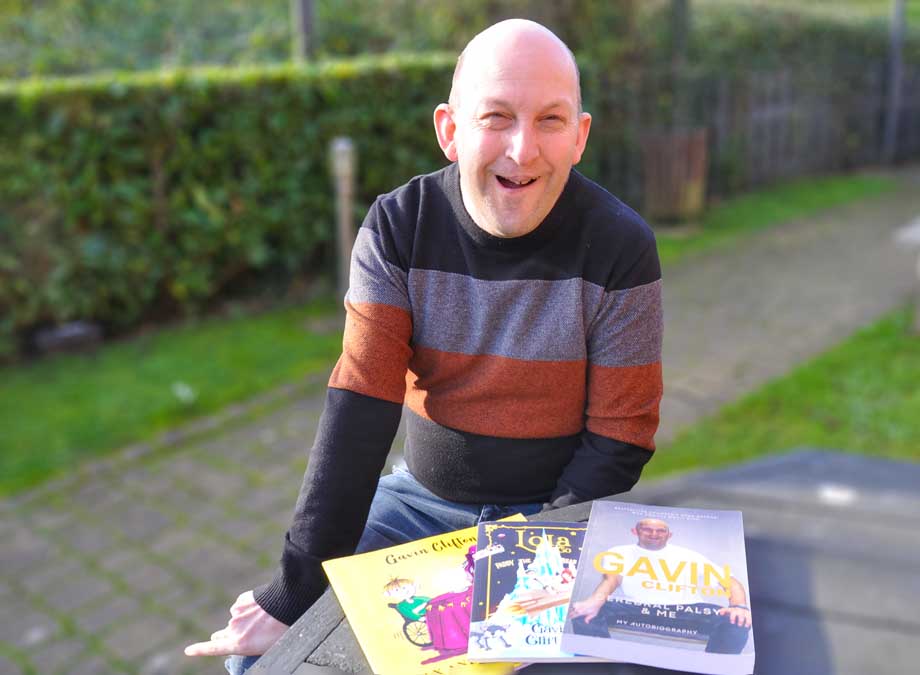
Gavin Clifton is a UK-based children’s author, inspirational speaker, disability advocate and lyricist. Known professionally as The Disabled Writer, Gavin was born with cerebral palsy and a severe speech impairment.
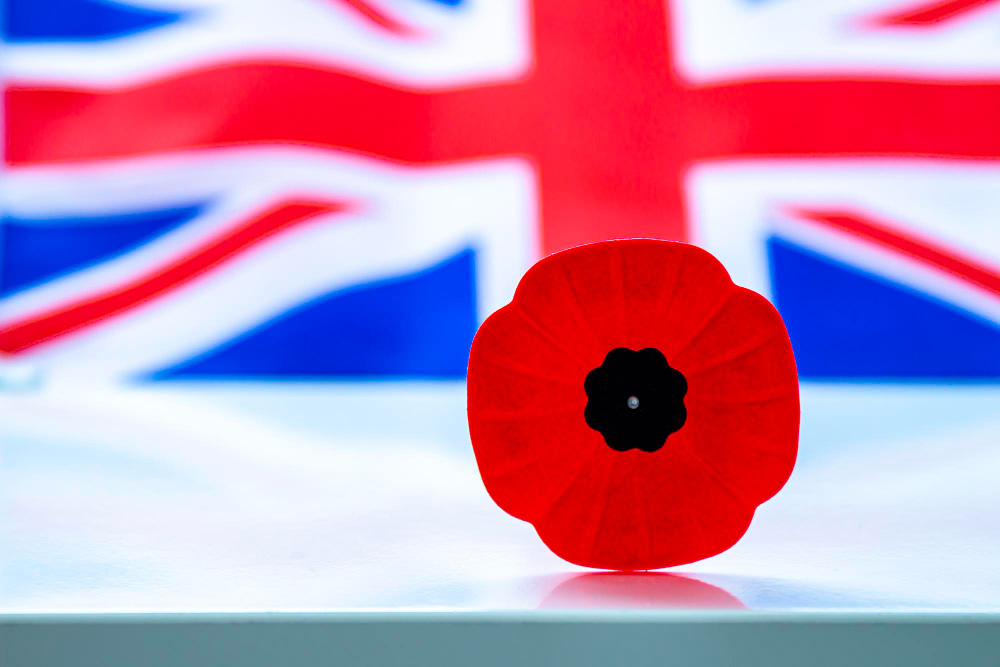
For decades, the poppy on your coat was made by disabled people.
Not as a charity, but as a job. In 1922, a First World War officer named George Howson opened a small factory near the Old Kent Road with five disabled ex-servicemen, and the poppy was designed so they could easily put it together. They made a million in their first two months. The wreaths laid at the Cenotaph on Remembrance Sunday are still made by hand at the same charity's factory in Richmond.
Three million disabled people
I have also learned a different part of this story. Over three million disabled people were put to work in the Second World War. I've spent years talking about disability, and I've only just heard it.
It's American, and this estimate comes from the New York Times in 1942. The definition of disabled back then stretched to people with heart conditions and TB, but the story underneath it goes deeper. With military personnel away and production lines desperate for more hands, American employers who had never taken on a disabled worker found themselves doing so. Shipyards, aircraft plants. There were deaf workers, blind workers, little people, and people with every impairment that the 1940s deemed a disability. Employers embraced disabled workers and said that they were happy to employ them. Funny how that works, even back then.
Factories made space for disabled workers when they needed them during war. I spent seventeen years at the South Wales Argus in Newport, and my colleagues were brilliant, but the building was another story. The only accessible toilet was out in customer reception, so every time I needed the toilet, I had to go back through a security door, down a step and past the queues of customers or use the normal toilets. The accessible parking bay was an afterthought, and even then, some non-disabled staff would park in it to save them walking from the staff car park.
I never asked for reasonable adjustments. Back then, I thought asking would make me look like I couldn't cope. You learn to keep your head down so you stay needed.
The only part we're given
At Remembrance, disabled people get one part in the story. We're the wounded, the lost limbs, then the wheelchair by the war memorial, the cost of war. That part is real, and I'd never ignore it. But it's always the part that society sees on Remembrance Day; it portrays us as something tragic that's happened. You never see disabled people getting on with everyday life.
Disabled people were every bit as capable in 1939. The War just took away the excuses, and when peace brought the assumptions and excuses flooding back, disabled workers were among the first let go.
If inclusion only counts during a labour shortage, that's a stopgap.
Britain did keep something post-war, to be fair. The Disabled Persons Employment Act 1944 required employers with twenty or more staff to have three per cent registered disabled people employed, and it set up what became Remploy, factories for people injured in the war and miners in poor health. In 2012, seven of Wales's nine Remploy factories were earmarked for closure. One was Croespenmaen, which is just a few miles from where I live. We don't all agree about sheltered factories, and I won't pretend we do, because I certainly will never agree with them. Inclusion is about, wherever it's safe to do so, integrating disabled people fully into society, and that means workplaces becoming more accessible and better educated, so everyone has the chance to try employment.
Labour shortages will always come and go. Our capabilities don't, and they belong in the real world, for all to see, not hidden.
Sources