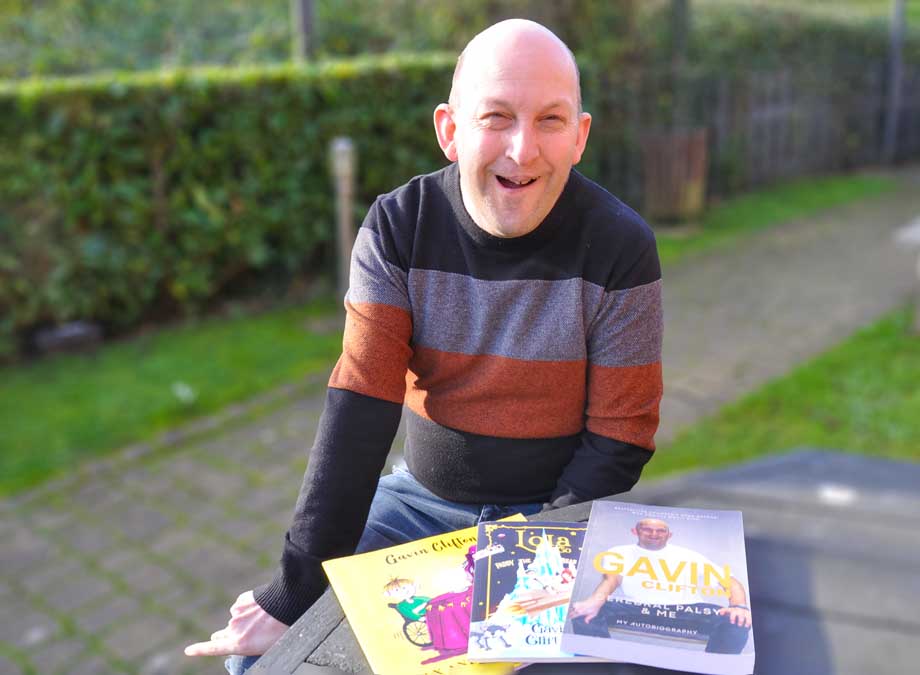
Gavin Clifton is a UK-based children’s author, inspirational speaker, disability advocate and lyricist. Known professionally as The Disabled Writer, Gavin was born with cerebral palsy and a severe speech impairment.
How Assistive Technology Is Opening Doors for People Like Me
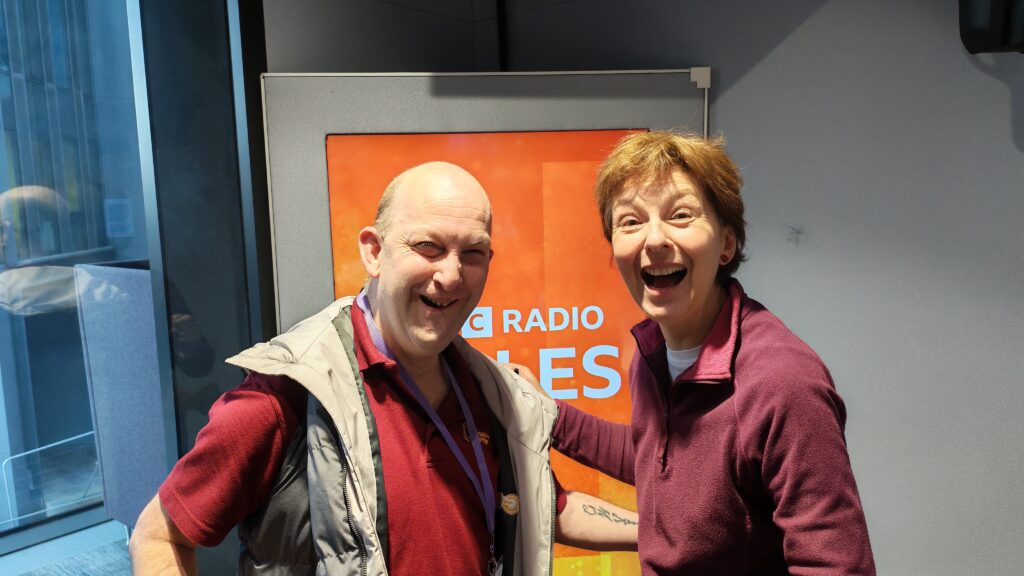
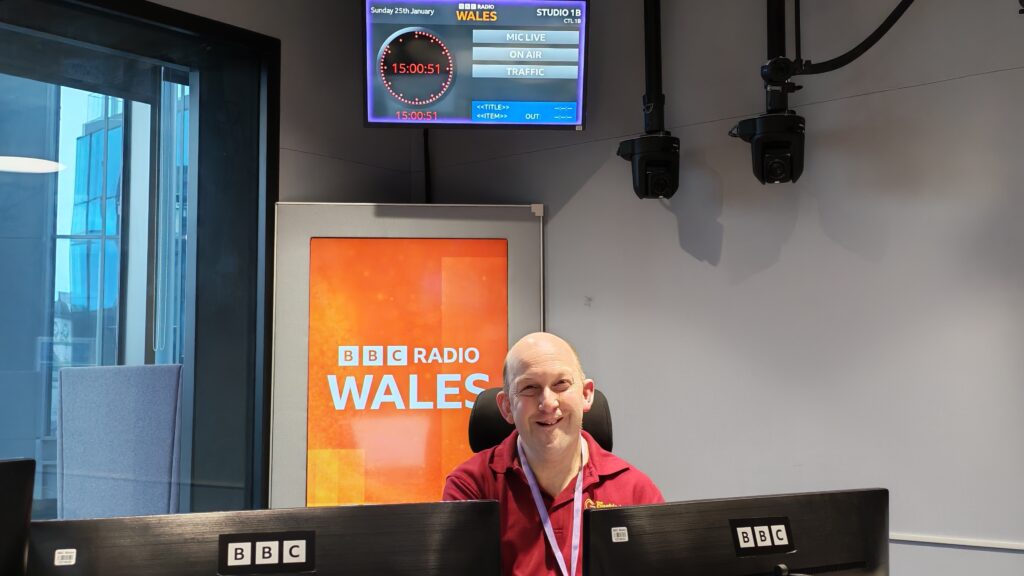
I am over the moon to have been invited to BBC Radio Wales with the brilliant Lynn Bowles. That alone was a huge and positive milestone. But what made it even more powerful was how I did it, using my SmartBox TalkPad 8 with a custom-built Grid3 question-and-answer GridSet.
It was the first time I’d ever used this kind of Augmented and Alternative Communication setup in a live setting, even though, live on air, and honestly, it couldn’t have gone better. Smooth, clear, and in real time. I was in complete control. That in itself is a big deal.
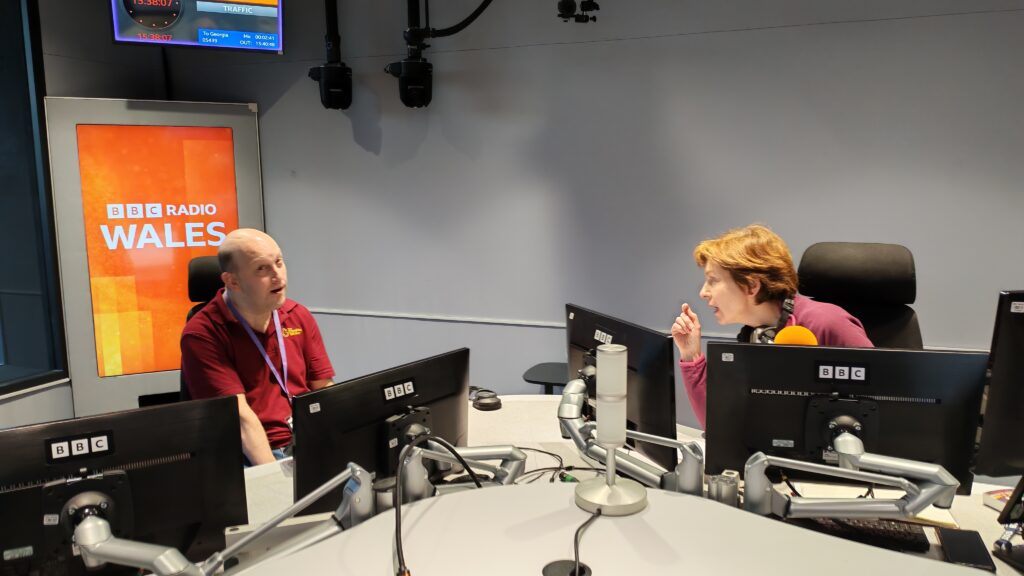
For the first time, I was able to fully take part in a live radio interview without relying on anyone else to speak for me. My device spoke my words exactly how I wanted them said. No delays, no one jumping in, no awkward handovers.
Everything I said came directly from me, through my device, and the result was an organic conversation. That might sound like a small thing, but for someone like me with a speech impairment, it’s massive. A few years ago, I wouldn’t have believed this was even possible.
When I first started using Augmentative and alternative communication as a child, the technology was slow and bulky. My first device, a Lightwriter, felt like lugging around a brick. It took ages to form a sentence, and by the time I finished, the conversation had already moved on. I often gave up and let others speak for me. That wasn’t freedom or inclusion. It was survival at best.
Fast forward to today, and the technology has changed dramatically. My current TalkPad 8 is somewhat more efficient. It lets me communicate in real time, in interviews, schools, online and in everyday life. It gives me control and independence.
Lynn and I talked about quite a lot. How I use AAC day to day, how cerebral palsy shaped my early years, the impact of family support, why inclusion and accessibility are more than buzzwords, and, of course, my latest children’s book, Anya and the Enchanted Wheelchair.
These are things I often speak about, but this time felt different. Doing it live on the radio, independently, using my own voice through assistive technology, made it feel more real. It felt like I was truly being heard, not just by Lynn, but by every person listening through the air waves. BBC Radio Wales still has a significant following from all over the world and connects many communities daily, simply by broadcasting, into homes and workplaces alike.
Let’s be clear; AAC isn’t a fancy extra. It’s not a backup plan or a bonus feature. It’s a lifeline. It’s the difference between being involved and being left out. It’s the reason I can be an author, a public speaker, and take part in media like this.
Too often, AAC is seen as something to be ‘granted’ or ‘approved’ as if it’s optional, but it’s absolutely not. If someone needs support to communicate, they should have access to the best tools available, no matter their age or background.
Representation and Real Voices
Representation matters. When children or adults with speech impairments or who are nonverbal see someone like me using AAC in public spaces, in the media, or in schools, it tells them something important. That they can be heard too, and that communication doesn’t have to sound a certain way to be meaningful.
The way we speak doesn’t define the value of what we say. People like me have important things to say, and we deserve the chance to say them in our own way, using whatever support works best for us.
What happened on BBC Radio Wales wasn’t just a great experience; it was a glimpse into the future, and into what’s possible when technology is used correctly to support disabled people. The technology is there, it’s improving fast, and the opportunities are growing.
With the right support, the right funding, and a change in mindset, AAC can change lives. I know that because it’s changed mine forever.
There’s still work to do. But I’ll keep doing what I can, sharing my story, using my voice, and making sure people like me are seen, heard and valued.
If this blog has resonated with you, or if you know someone who uses AAC or works in education, disability support, the public sector, media, or even in speech and language therapy, please share this blog. Let’s keep these conversations going.