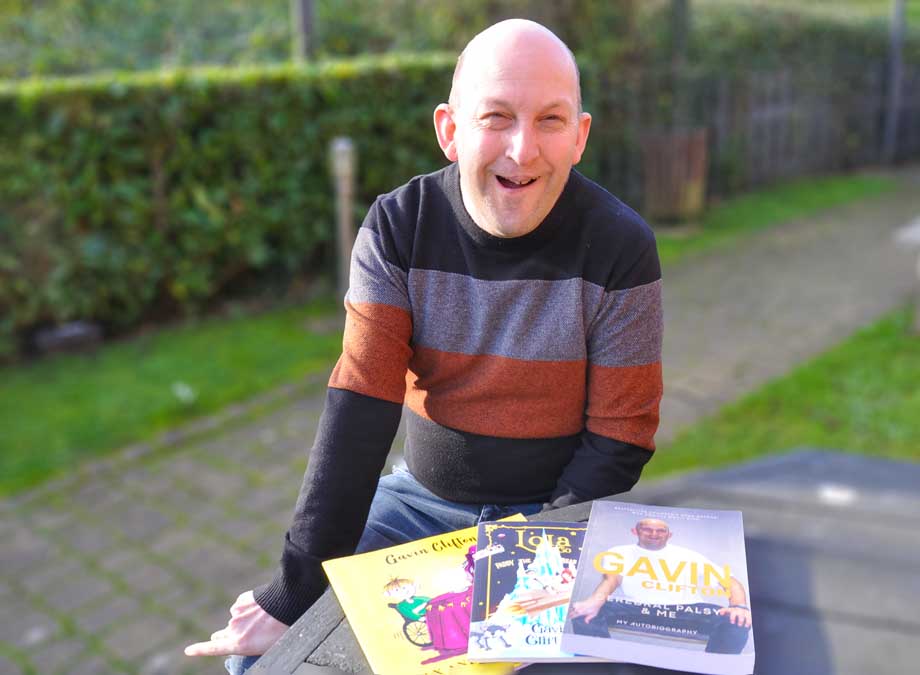
Gavin Clifton is a UK-based children’s author, inspirational speaker, disability advocate and lyricist. Known professionally as The Disabled Writer, Gavin was born with cerebral palsy and a severe speech impairment.
Why The National Year of Reading 2026 Matters to you
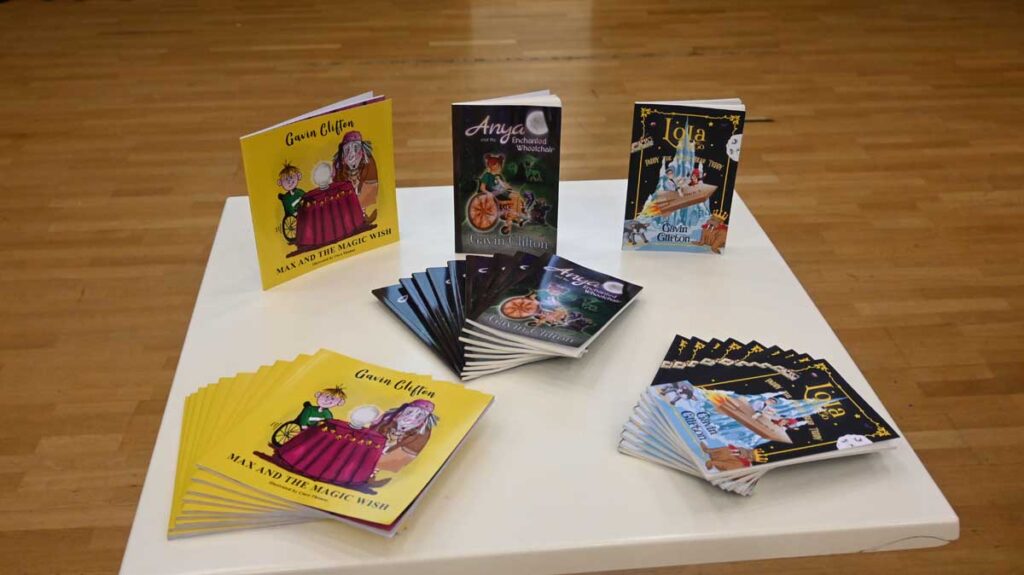
Growing up, I rarely saw disabled characters in books. That’s why I have always had a burning ambition to write a children’s book about disability and acceptance, with disabled characters at the centre of the story, not as side characters.
The National Year of Reading 2026 matters. Reading can help disabled children feel seen, and it can help everyone else learn how to respond to difference with knowledge, confidence, and respect, not discomfort. I’ve lived long enough to know that people often judge your intelligence by your speech, your movement, or how long you take. Stories written with creativity and lived experience can challenge that in a way a poster slogan never will. Books don’t smash through barriers on their own, but they can change attitudes.
2026 has been designated the National Year of Reading, a UK-wide campaign inviting and encouraging people from all walks of life to make reading an important part of everyday life. This literacy-inspiring mission is not just another school initiative or merely an authority-led policy drive. It’s more, it’s about intertwining reading with what people already enjoy, care deeply for, and love doing, things like music, sport, games, food, social events, communities you live in, and culture, inviting everyone to see how reading can enrich their daily passions and interests.
The chosen slogan, ‘If you’re into it, read into it,’ is simple and clear, which helps the audience feel appreciated and confident in its message. Still, it's more than a catchphrase. It challenges the traditional stereotype that reading is a separate academic world notion and instead positions it as a route to your desired passions and interests, according to the National Year of Reading website.
That matters to me as someone living with cerebral palsy and severe speech impairment. I know how powerful reading can be when it feels connected and alive, not locked in school worksheets or condensed into ‘the right way to read’. It’s about emotion, connection, identity, meaning, accessibility, and inclusion.
Here’s what the National Year of Reading aims to do over 2026:
It’s a Department for Education‑backed movement delivered by the National Literacy Trust with partners from across the literacy and cultural sectors.
Here’s the twist: reading isn’t only about books anymore. The campaign says reading includes print, digital, audio, podcasts, comics, blogs; anything where words communicate ideas, stories, meaning and connection, and as you’ll already know, especially due to my severe speech impairment, any moment to which words and communication clash for the power of good, these moments can become powerful tools to transforming the lives of so many people.
That matters to inclusion. People with different abilities, reading strengths and interests don’t all process written language the same way. Recognising an audiobook as reading, a fan blog as reading, or a magazine article as reading makes space for your way of engaging with words.
This aligns with what I’ve said often: reading doesn’t have one shape. The campaign’s broad definition can help tilt our understanding, empathy, and cultural awareness towards accessibility and inclusion.
You don’t need to read a 400-page novel to take part.
I’m encouraged by the scale and ambition of the National Year of Reading. But big campaigns only become meaningful when they’re accessible to everyone.
These accessibility questions matter when ‘reading culture’ is intended for everyone. Official accessibility features are basic (screen readers, font resizing, alt‑text guidance on the site), but I’d like to see deeper inclusion efforts, such as plain language versions, captioned content, multi‑format reading activities and support for libraries to adapt delivery. (The campaign’s accessibility statement focuses on web settings right now, not the broader campaign experience.)
This gap is where disability awareness really matters. Campaigns say reading is for all. Reality is often different without thoughtful, accessible, assistive and inclusive design, and materials.
Big reading campaigns can sound inclusive, but disabled people still hit the same old barriers, like buildings, formats, attitudes, and people speaking over us.
If you’re a school, library, organiser, employer or volunteer group running a reading activity in 2026, start here:
Quick accessibility checklist
The “Go All In” framing is about relevance. Don’t think of reading as homework. Think of it as a way to deepen your interests. If you love football, dive into match‑day stories. If film moves you, read behind‑the‑scenes features. If lyrics speak to your mood, writing and reading them count.
Reading culture should be built on access, not aspiration, and not taken for granted. If reading means more opportunities and more connections, it must mean accessible ways to take part. For disabled readers, that’s multi‑format reading options, inclusive events, and accessible community spaces such as libraries.
You don’t have to read the Great British Novel to take part. You don’t have to buy books. You can:
If you’re a school, organisation, or library planning National Year of Reading activities, don’t make disability a topic for one week. Put it into the main programme.
This is the work I do as The Disabled Writer. I visit schools and speak at events using AAC (text-to-speech) and AI-Voice, so children see that communication can look different and still carry the same value. It breaks down the initial awkwardness because children are curious and honest. Once they understand the technology, they stop focusing on how I speak and move and start listening to what I’m saying. The most powerful part is that they begin to interact with me, and this is when the inclusive magic truly starts to happen.
If you want a talk that links reading, representation, disability awareness, acceptance, identity, and resilience in a way that children remember. All the details on how to book me are here:- https://www.thedisabledwriter.co.uk/contact/.
The National Year of Reading 2026 has the right idea: reading works best when it connects to what you already care about, not when it feels like a task. The whole point of Go All In is that reading can be a part of everyday life. ‘If you’re into it, read into it.’
Now the bit that matters to me: if this year wants to reach everyone, it has to include disabled people, in formats, in events, in schools, in libraries, and in how people treat us when we show up. Accessibility and inclusion don’t come from good intentions. They come from choices.
References:
(Accessed 10th February 2026)
https://www.gov.uk/government/news/premier-league-and-literary-greats-back-national-year-of-reading.